

This is the definitive calisthenics diet guide to a KILLER body.
So if you want to:
- Gain more muscle.
- Get below 10% body fat.
- Discover how you can maintain your results.
Then you’ll love the actionable diet tips in this effective guide.
Let’s dive right in.
Contents
Chapter 1:
The Secret Fat Loss Formula
If you want to get the results through your diet, you need to master one rule:
Manage your energy balance.
When you do, you will finally get the results you've been looking for.
And you'll BURN your fat away.
The question is:
How do you start?
Use the evolution of food and a simple formula in this chapter to discover how you can lose fat and gain muscle.
The Evolution Of Food
First, you need to understand your history.
Your current diet has not been normal for a long time.
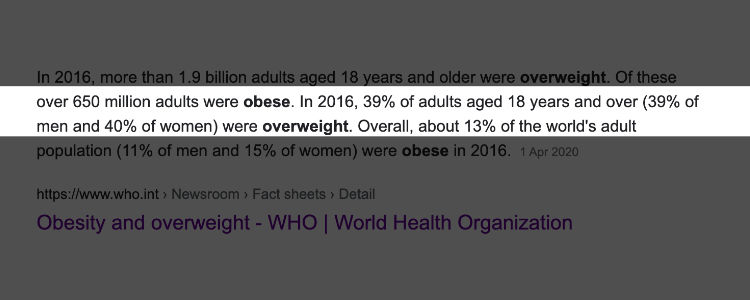
In fact, according to the World Health Organization 39% of adults were overweight in 2016 and that number has gone up.
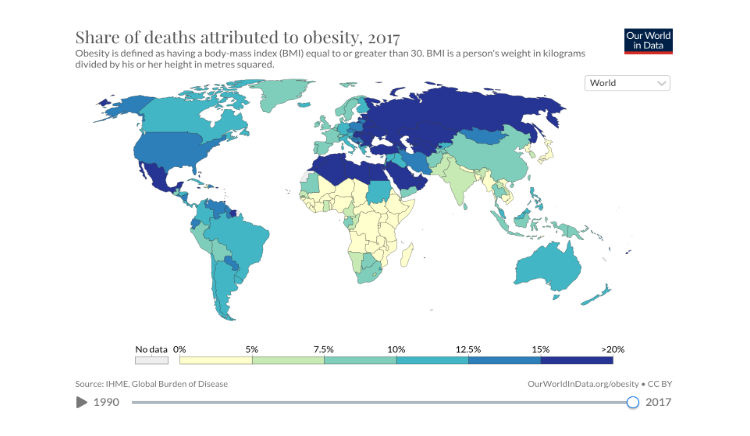
This is a huge problem, especially in developing countries:
There are even ideas of adding taxes to processed foods:
Why?
So people eat less of it.
In other words:
Your body evolved in a COMPLETELY different world.
(Almost another universe.)
One in which this was normal:
• Hunting and gathering.
• Fasting and feasting.
• Hours of running and walking for small amounts of food.
And now every meal is just one door away.
Safely placed inside a cooling unit (your fridge).
To make things more clear:
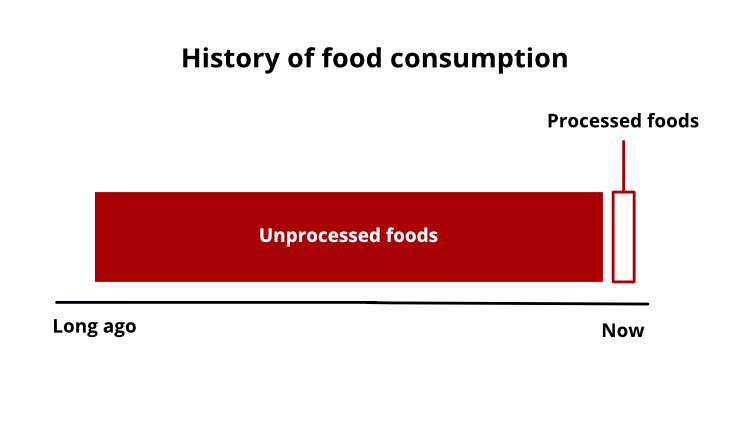
Most processed foods have been around less than 10.000 years.
Some foods even less than a few years.
Are processed foods in your diet bad?
No, but they are easier to over consume.
Because that's what they were designed for.
The result?
More food enters your mouth than you burn.
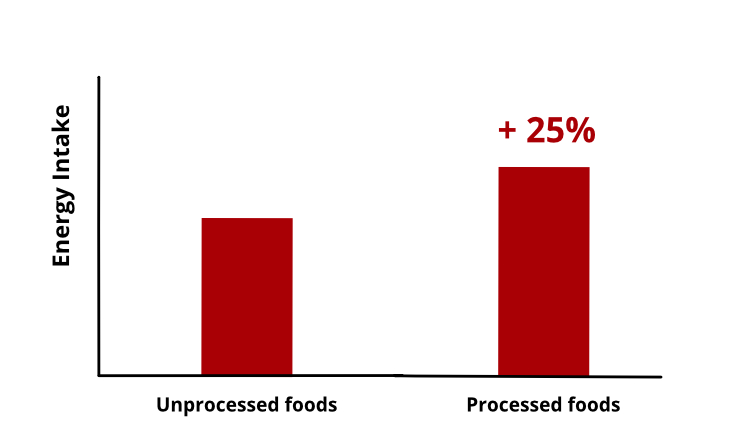
According to the Journal of Cell Metabolism, people who consume a lot of processed foods eat up to 500 calories more than people who don't.
In other words that's an increase of about 25%:
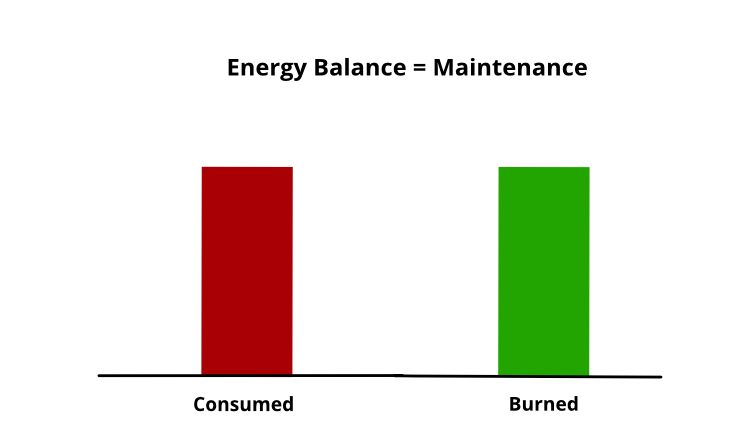
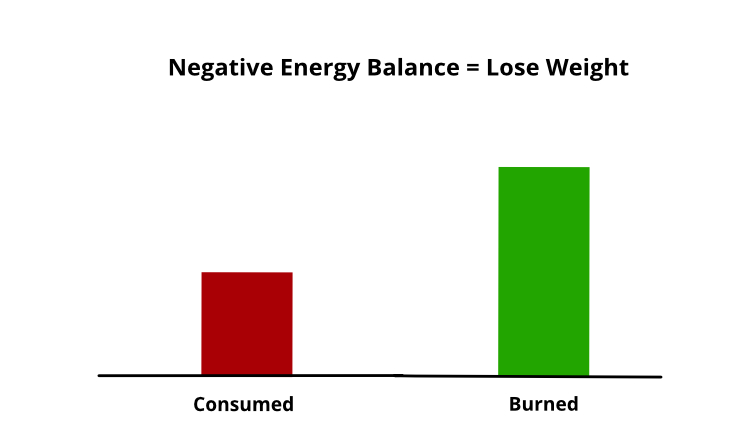
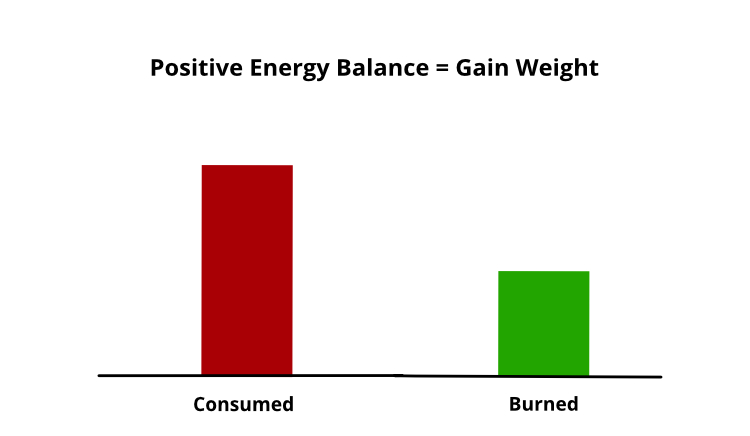
And it affects your energy balance.
Rather than maintaining your weight:
Or burning fat and losing weight:
This is one of the main reasons why you keep gaining weight:
So what can you do with this information?
And how can you actively change your energy balance?
Let's discover in the next section.
The Fat Loss Formula
Sounds pretty scientific, right?
Formula.
(And it is.)
Here is the simple science behind weight loss:
calories consumed - calories burned = your energy balance.
After 30+ years of nutrition studies, researchers around the world discovered that the key to weight loss is energy balance.
The questions is:
Can you stick to it?
First, you need to make it measurable.
The simple calculation
For example, let's say you eat 500 calories of chips.
And you burn 300 calories during a workout.
That would mean you've consumed 200+ more calories than you've burned and over time you will GAIN weight.
Now the question is, who is going to calculate this for you?
We'll dive into this in the next chapter.
How To Lose or Gain Weight
Losing or gaining weight is not rocket science.
In fact, it's actually EXTREMELY simple.
As I like to say:
They all work according to energy balance.
So avoid fancy reasons like:
• Slow metabolism
• Big bones
• Hormones
You get the idea, right?
Instead, stick to what science shows:
• Vegans: eat plants to manage your energy balance
• Ketogenic: avoid carbs to manage your energy balance
• Fasting: eat less often to (you know).
• Whole 30: eat unprocessed foods to (the same).
• A new diet: eat .... to (yes, again).
Download the free app
Start tracking yourself for a day.
See what your energy balance is.
Become aware of it.
Here is a word of caution:
people who participate in studies on weight loss underreport up to 70% of their intake.
And often, it's not on purpose.
It's just because they forget or don't measure correctly.
To make things more clear:
If your numbers show you should lose weight, but are not losing weight, you are simply underreporting.
There are no other secret mechanisms.
It's physics.
Chapter 2:
How To Use The Diet App For Calisthenics
This chapter contains a step-by-step breakdown that you can use to accurately manage your energy balance from scratch...
...or discover why you are not losing or gaining weight.
So if you want actionable tips that you can use in the right way, this chapter is what you are looking for.
Your Weight Goal
This app is a powerful tool to become aware of what you eat.
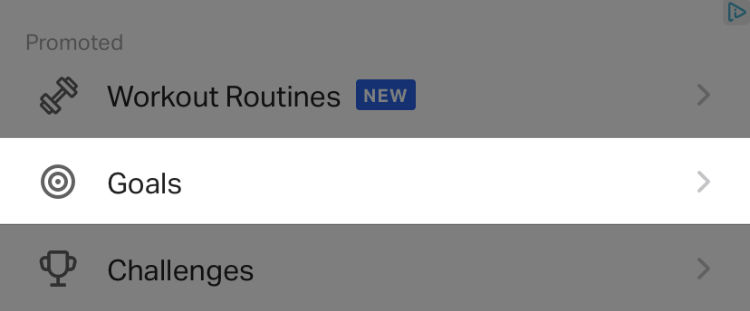
First, you need to fill in your details by clicking on more:
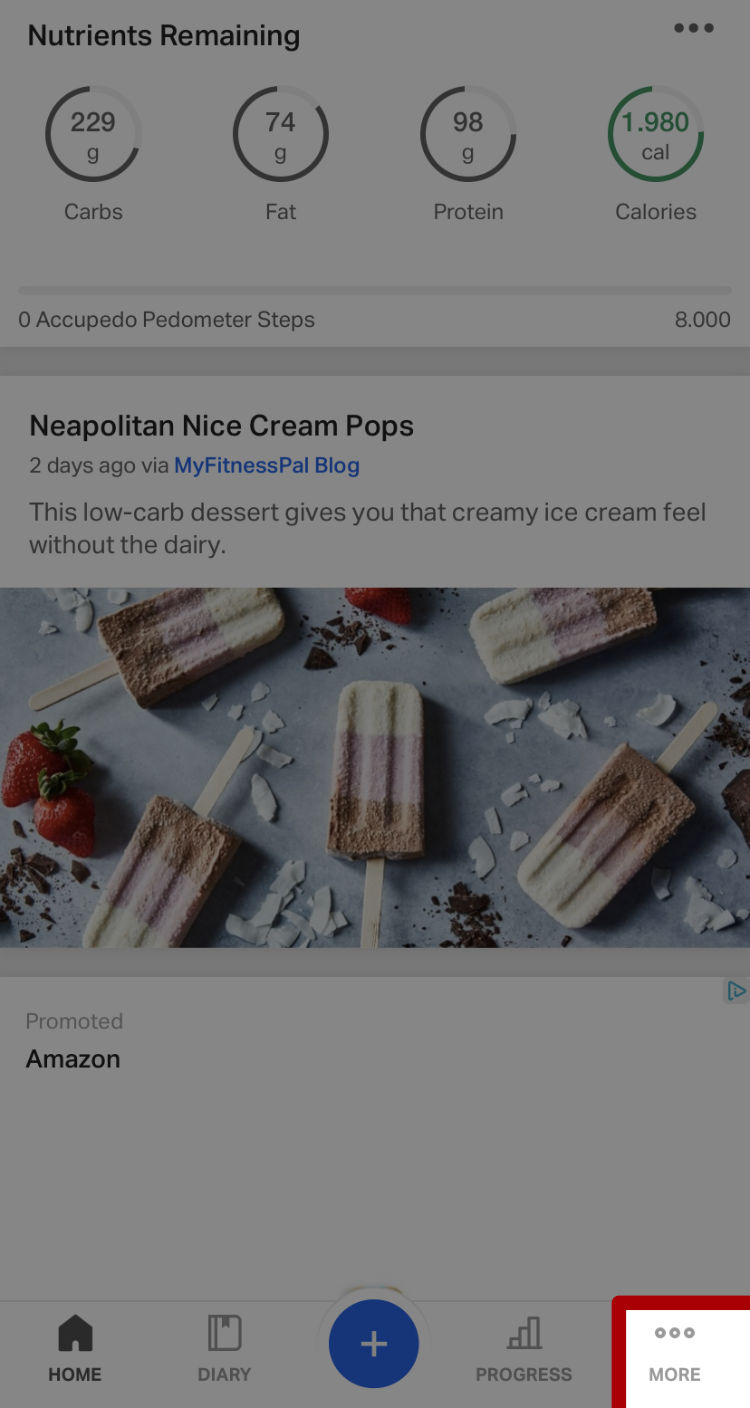
Then you click on goals:
To get a nice overview of various measurements that you need to set your energy intake:
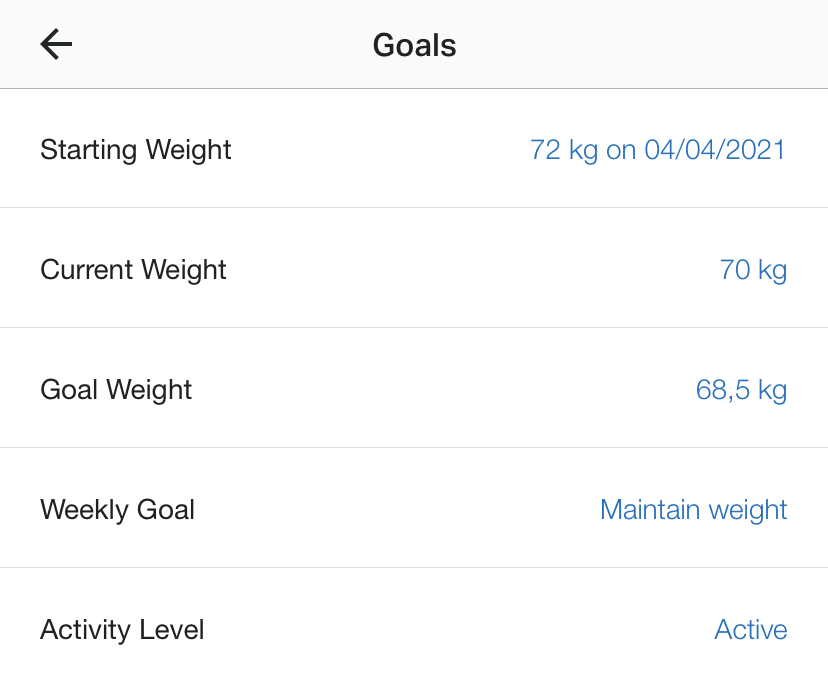
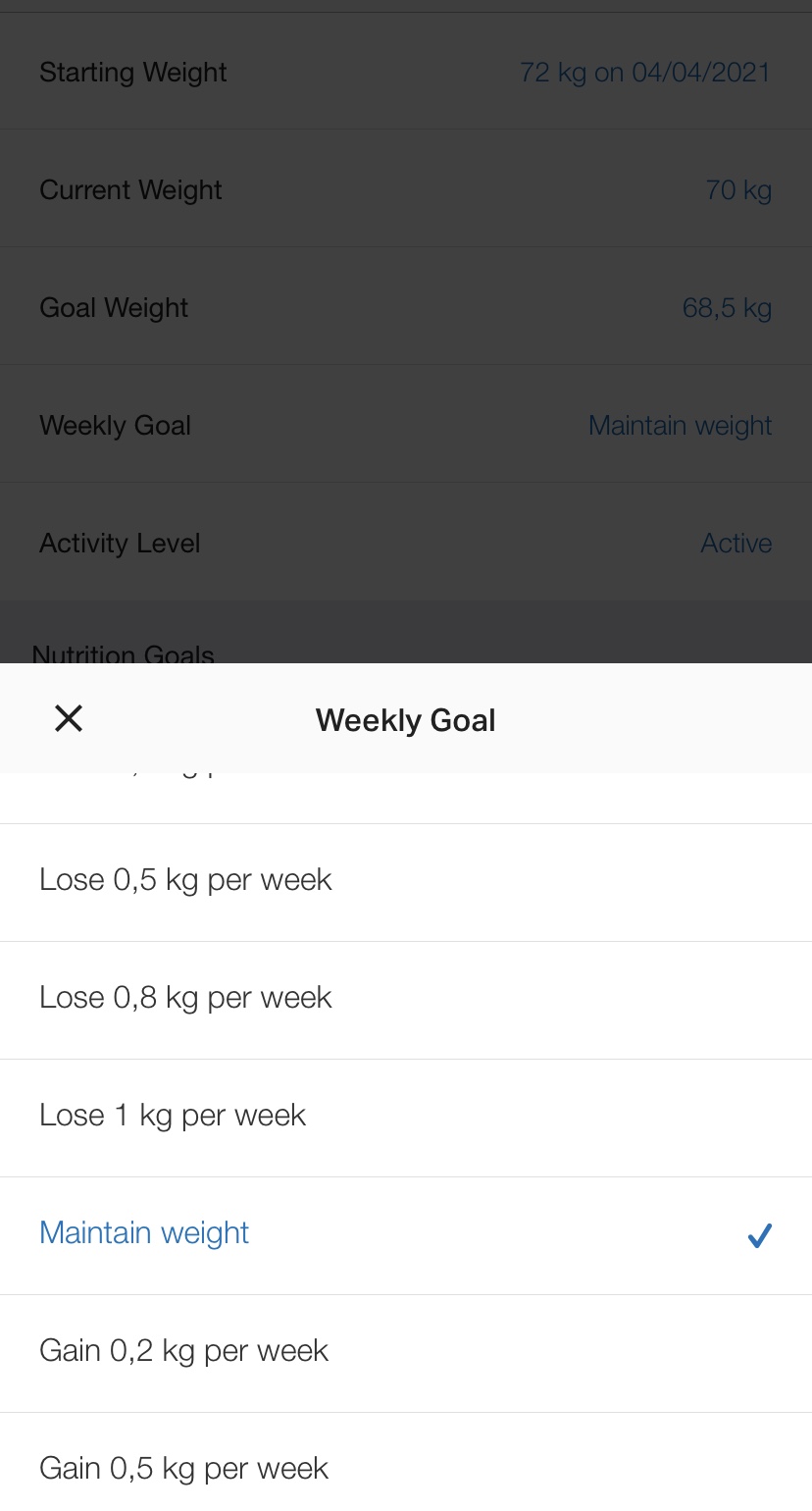
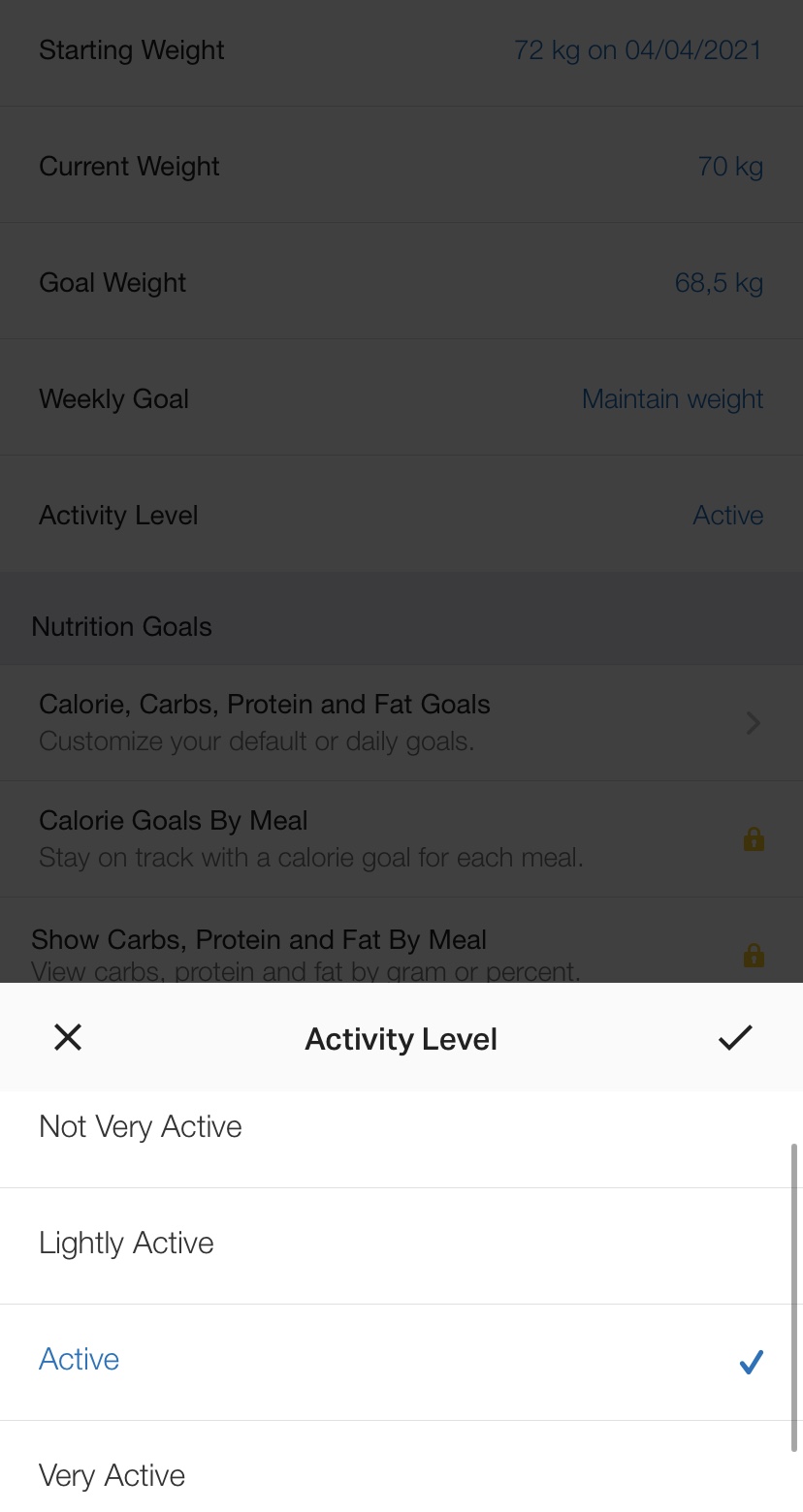
Next, set your starting weight, weekly goal and activity level:
And you are ready to see your nutrition dashboard:
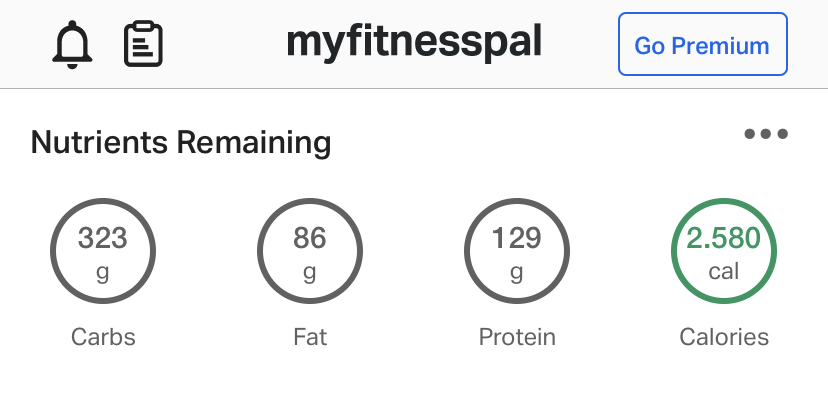
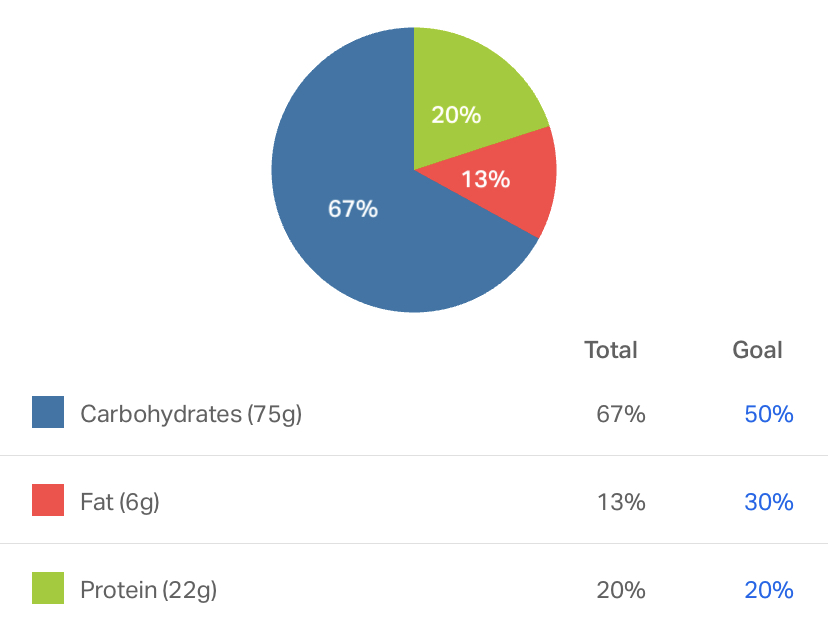
There are options to check your protein, fat and carbohydrates:
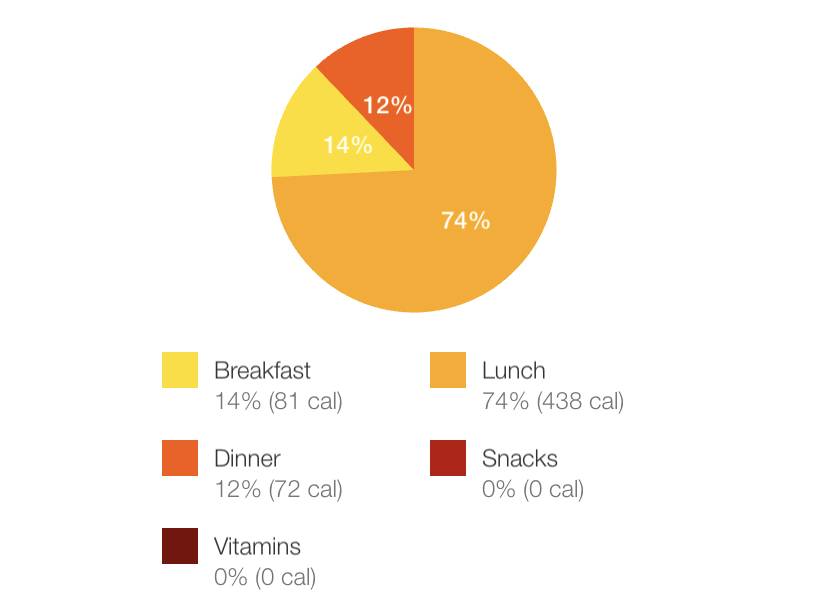
And you can check when you eat the largest part of your calories:
That's how fast you can start building that killer body of yours.
Now, all you need to do is track your food and drinks:
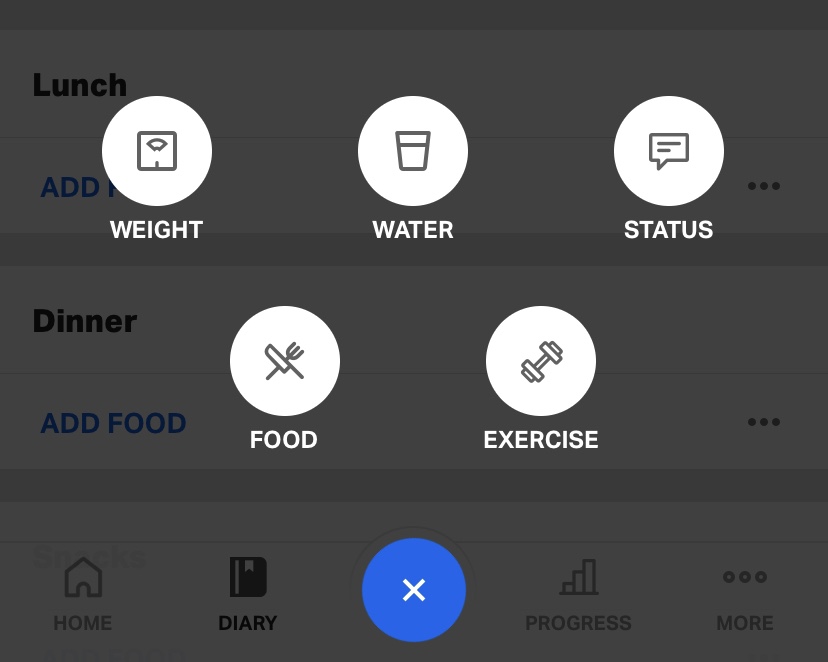
Don't want to document every single day?
Just do it for 1 day.
You will discover why you aren't achieving your goals.
And why some foods are beneficial while others are not.
This will RADICALLY change the way you look at food.
Don't take my word for it, give it a go!
Your Workout Input
How about workouts?
How do you determine how much you burn?
First click on exercise:
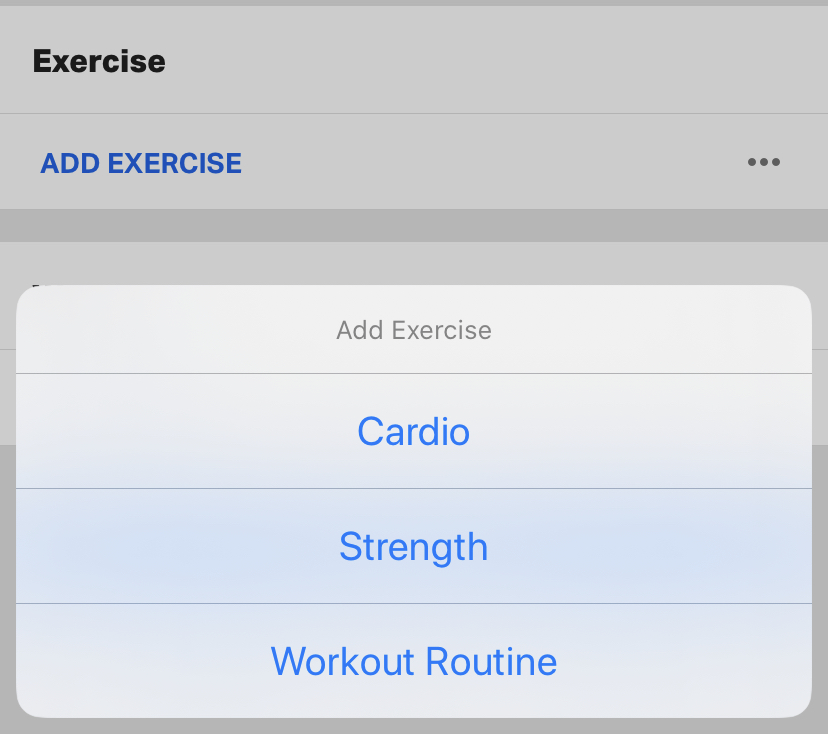
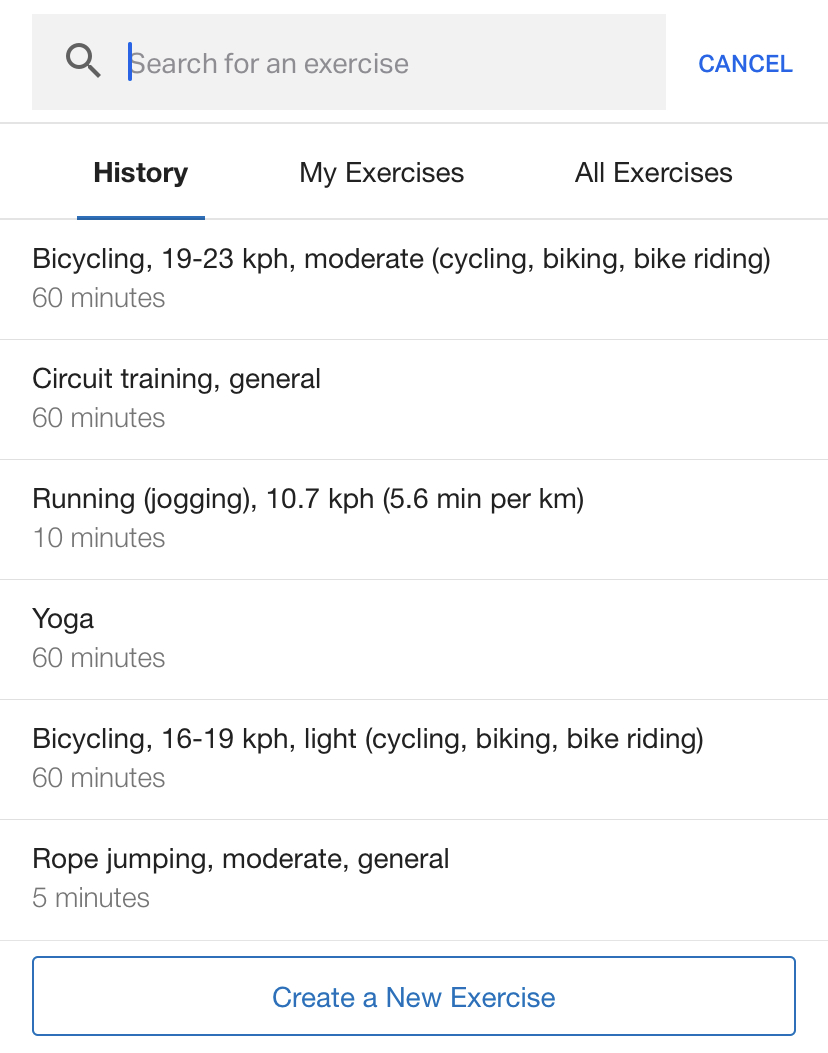
Then fill in circuit training:
And fill in the time you have spent doing it:
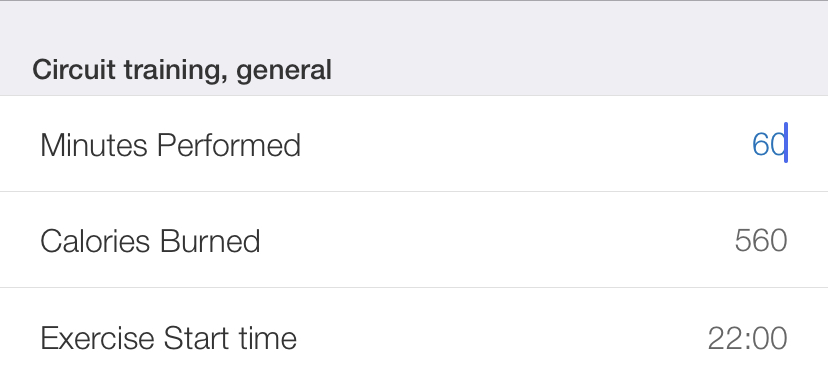
Which will allow you to cap things off at the end of the day.
Your Energy Balance Results
Numbers don't lie.
That is, if you fill them in correctly.
With green numbers if you stay below your requirements:
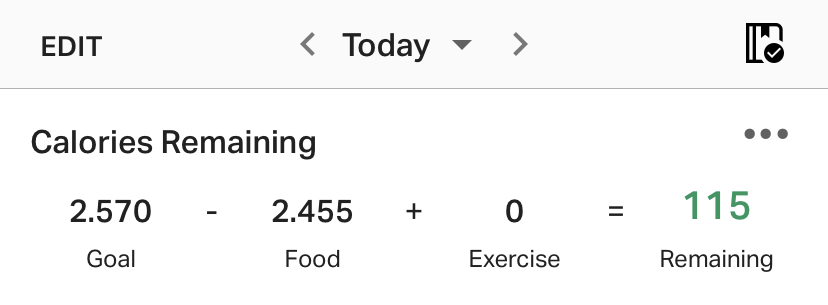
Or red numbers if you go above your daily needs:
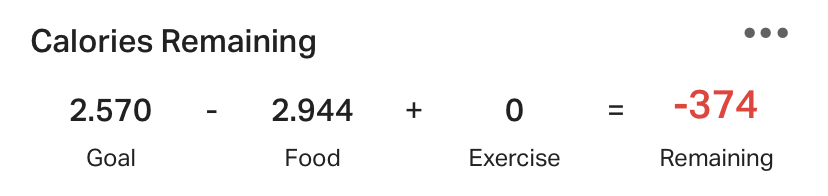
At the end of the day you can complete your diary:

This is EXTREMELY clear.
Not: "Maybe I ate too much today".
Not: "Perhaps I'm not losing weight because I ate too little".
Not: "I think I can eat another bag of sweets without gaining weight."
It's literally:
GREEN or RED.
This will make a HUGE difference.
And you might end up enjoying the challenge...
...IF you turn it into a game.
Now it's one you can win.
Key Takeaway
Energy balance is the key and every diet that works, does so because it allows the person on that diet to stick to a negative energy balance.
If you know your energy balance, you know whether you are losing or gaining weight.
That's it.
Chapter 3:
How To Stick To Your Diet Forever
You've probably heard the old adage: "I just don't have enough willpower, I need more discipline."
But is that really true?
What I know is that willpower is OVERRATED.
Fortunately, sticking to your diet isn't as hard as you might think.
All you need to do is follow the simple tips in this chapter.
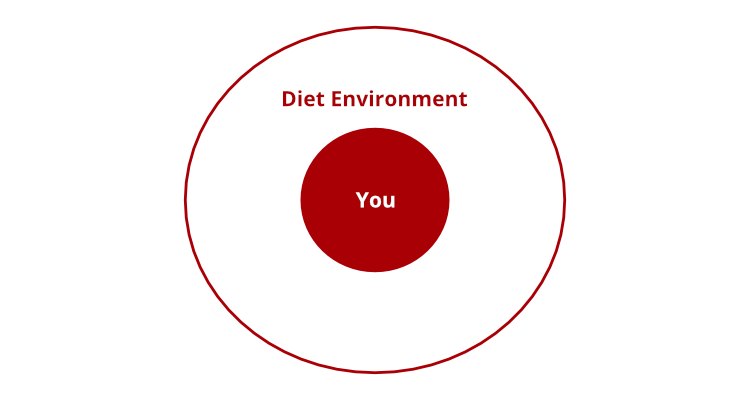
Your Diet Environment
Your house.
Your friends.
Your work.
Your kitchen.
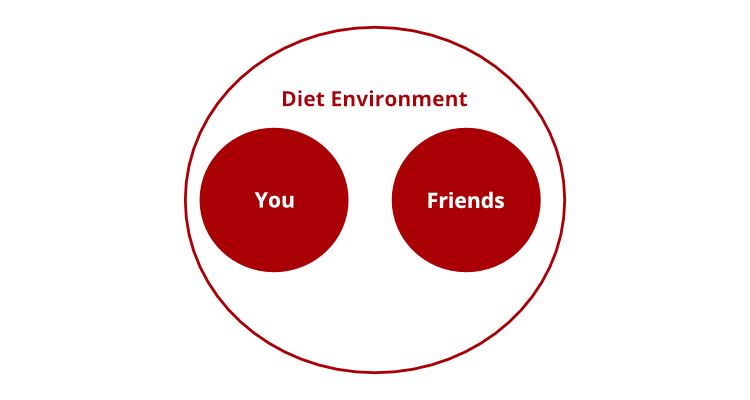
All these factors make up your diet environment.
And you are at the center of it.
The tricky part?
#1 Your environment promotes weight gain.
#2 It's an optimal environment to get fat.
#3 Your willpower is overrated.
In other words:
keep separating 'myth' from 'truth'.
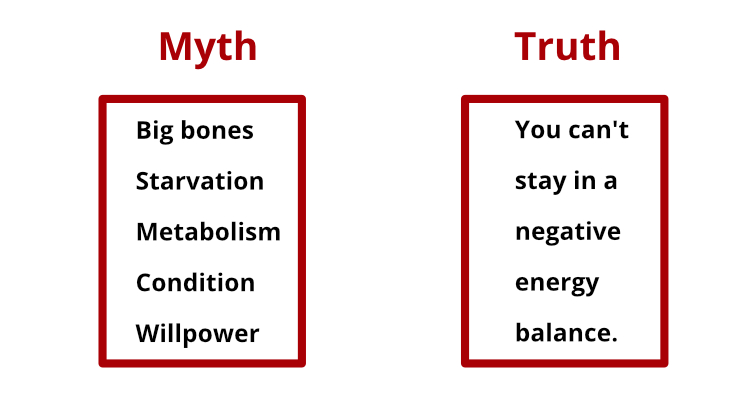
That's comforting isn't it?
It's in your control.
Or at least the control of you and your environment.
Key Takeaway
Willpower is overrated. Your diet environment is MORE important. Energy balance is the key.
So how can you change your environment?
Let's discover the 3 tips that will help you stick to your diet forever.
Avoiding = Winning
How do say NO to your favourite piece of chocolate?
(Especially if someone puts it in front of your nose.)
Most of us would lose.
According to the European Journal of Personality, people who are more disciplined, actually experience less temptation.
In other words: they don't use willpower, they avoid temptation.
That's why they can stick to their diet.
For example, here is why most people eat pie:
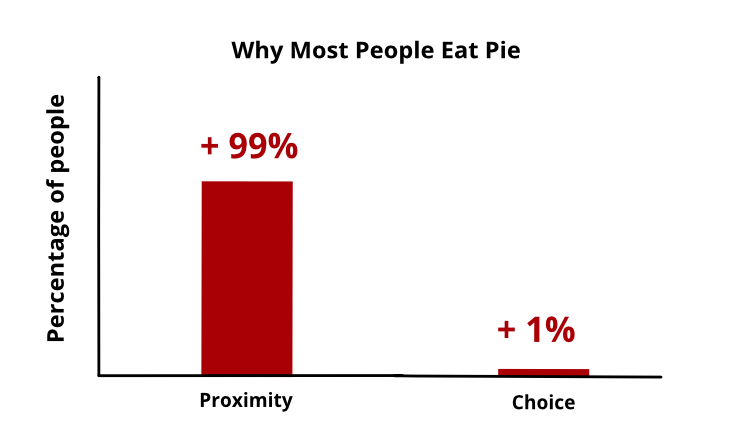
It's NOT about discipline, 99% of your 'less useful food choices' are simply because those foods are nearby.
As it turns out, there is a simple rule:
"If you can see it you will eat it."
So if you want to win, AVOID and keep it out of sight.
Key Takeaway
Resisting temptation is a LOSING game.
For example, if you have a box of cookies within arm's reach you will probably eat more cookies than if they are somewhere on the top shelf.
Right now, investigate your kitchen and ask yourself:
"Are these foods contributing to my goals?"
(Remove everything that does not.)
Supportive Friends
Having supportive friends is like putting you diet on steroids.
That's because they can motivate and correct you.
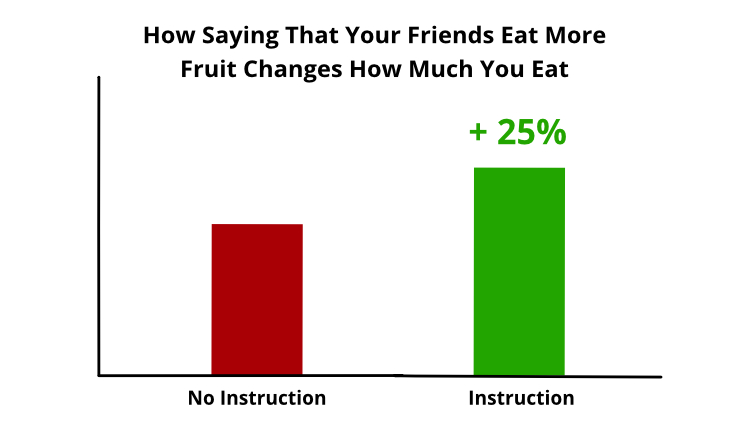
For example, people who are told that their friends eat more fruit, will eat up to 25% more of it:
Here is another example, according to the Journal for Social Science and Medicine, people who live closer to a fastfood outlet have a higher BMI than people who don't.
In other words:
you do what's convenient and what other people do.
Your friends, family and community influence what you eat.
And there is a lot of research to back this up...
According to the Food And Quality Preference Journey, people eat based on what their friends think of their food choices even if those choices are worse.
It usually sounds like:
"I'll have what he is having."
Have you heard that before?
Build The Right Habits
The only sustainable way to lose weight by CHANGING your behavior.
Food = eating.
And eating = a behavior.
In other words:
A list of top 10 foods will not change your behavior. ONLY your habits will.
So how can you use your environment to make these changes easier?
Here are 3 simple tools to change your environment:
Keep a fruit/veggie bowl within sight
Always make sure you have some fruits or veggies to snack on, while limiting the processed foods (e.g chips, snacks and candy) in your house.
Keep a bowl within reach and within sight.
You will automatically eat more of it.
Start with protein
Build each meal with a protein rich source.
Regardless of your dietary choices.
This increases your level of fullness and will make it easier to lower your energy intake.
You'll learn more about protein in the next chapters.
Get a fixed bed routine of 8 hours
Lack of sleep DESTROYS your diet and results.
You will eat more.
And build less muscle.
Instead of fighting a losing war, here are some practical instructions to boost your sleep for better results:
• Light exposure: make sure the room you sleep in is completely dark;
• Regularity: go to bed and wake up at the same time;
• Noise: wear earplugs if there is too much noise;
• Reminder: set a sleep timer for when you need to go to bed.
There are a lot more changes.
But these are some of the simple ones.
Everyone can do it.
Including you.
Play The Long-Term Game
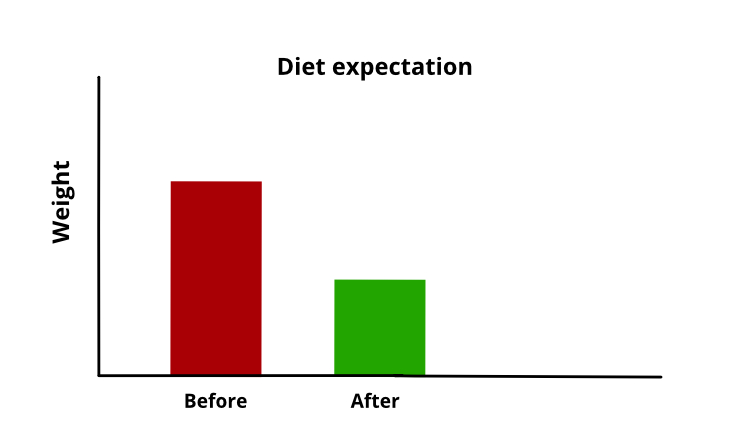
Just GO on a diet and then continue with your life!
It seems simple, doesn't it?
In fact, this is probably how you imagine it:
But what about the after...AFTER?
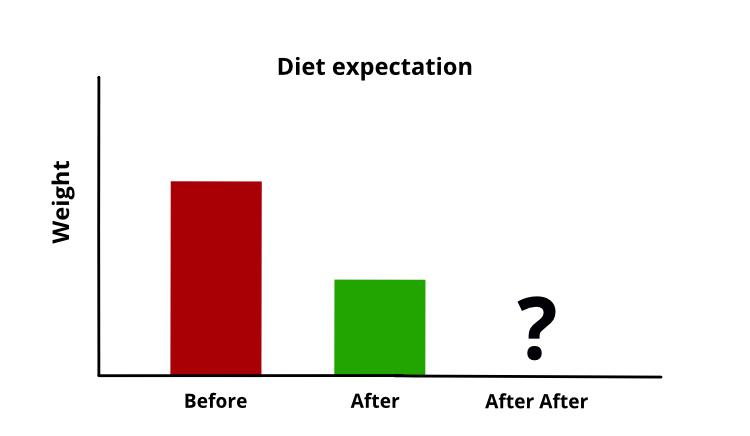
Here is where you need to start wondering, how you are going to sustain your diet.
That way, you can avoid the same mistake 100.000+ people before you have made.
Here is a simple lesson:
Create a diet you think you can stick to for the coming 10 years.
If it feels like something you can maintain for less than...
...a day...
...a week...
....a month, STOP immediately.
Here is why:
A quick fix will give you quick results.
But those results don't last long.
Even worse...
...ever heard of the reboud effect?
For example, look at what happens after you return from your crash diet:
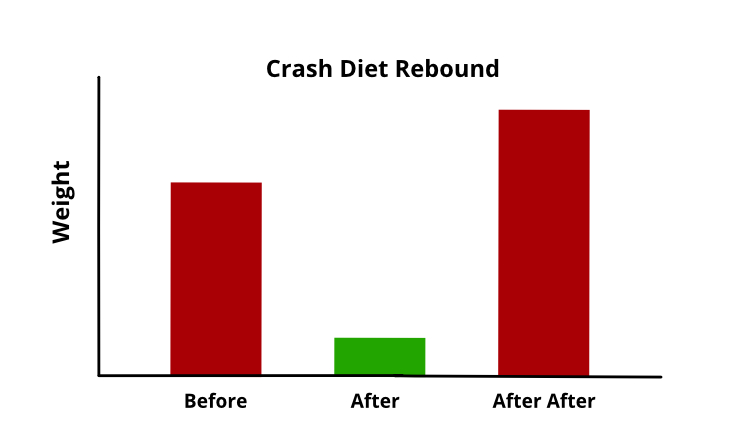
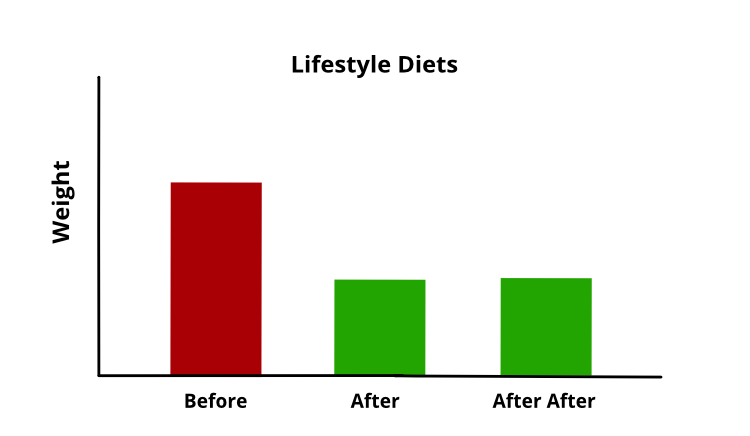
A lifestyle will give you less impressive initial results.
But those result can actually be maintained by you.
For example, look at how weight is maintained after after:
Here is another good reason:
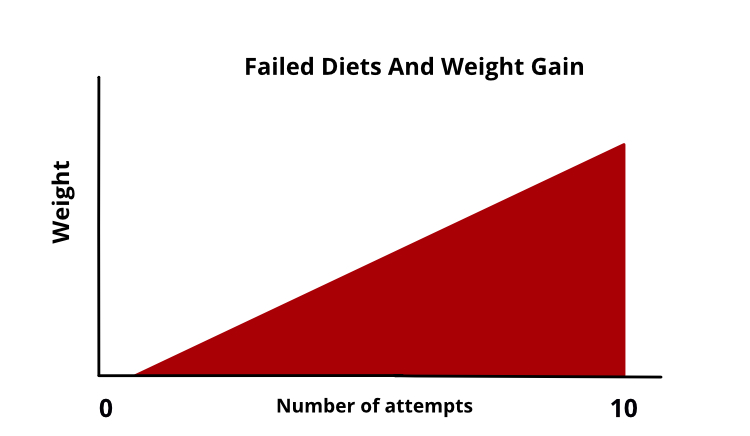
Every failed diet attempt leads to a linear increase in weight.
In other words:
Going on a diet is not a risk-free activity.
Here is a simple chart of how failing leads to increases in weight:
Quick results are nice.
But real results are lasting.
Here is what you need to learn:
First, learn to take small steps.
Then, continue.
Because any big goal is the result of patiently taking small steps.
How does that work?
Here is a simple calculation:
• If you improve 1% each day for the coming 365 days, you will be 3700% better at the end of the year.
• If you decline 1% each day for the coming 365 days, you will be 99,97% worse at the end of the year.
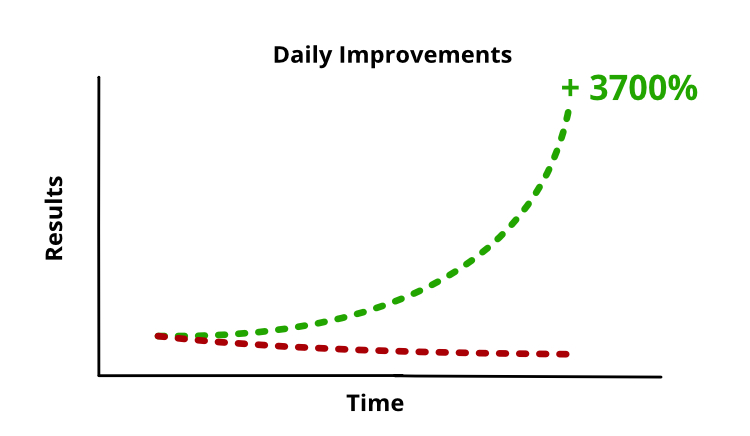
Improving 3700% in one day might seem impossible.
But 1% each day is something anyone can do.
Here is a powerful lesson:
"You will overestimate what you can do in 1 day, but underestimate what you can do in 1 year."
What is the smallest possible step you can take today to improve your nutrition now?
With that, it's time for chapter 4...
Chapter 4:
How Much Muscle You Can Build Naturally?
The amount of muscle you expect to build naturally is probably UNREALISTIC.
In my experience, knowing what you can expect is EXTREMELY important.
(And in some cases, perhaps disappointing.)
That's because you are influenced by Photoshop and people who are using substances that will harm you health long-term. And if you choose that route, you'll pay a price.
That's the honest truth.
With that in mind, here are simple tactics that you can use to determine your muscular potential.
Your Genetics
According to the American Journal of Clinical Nutrition, people with larger bones have more muscle.
Higher levels of testosterone.
And gain muscle faster when they train.
The two best indicators of your overall bone structure are:
• the circumferences of you wrist;
• and ankles.
In other words: people with wider wrists and ankles tend to be more muscular.
So how can you calculate your muscular potential?
And how much muscle can you possibly build with calisthenics?
The Natural Muscular Potential Calculator
There are more formulas out there than ants on this planet.
But the one created by Casey and Butt is based on drug-free bodybuilders and considered to be the most accurate.
You now know your genetic potential.
So, what's next?
How Fast Can You Gain Muscle?
Of course the next question would be:
"How fast?"
Here is a useful guideline based on expert and strength researcher Alan Aragon:
Beginner:
You are training less than 1 year and are eating effectively. Rate of muscle gain in men: 1-1.5% of total body weight per month
Intermediate:
You are training about 2 years and are eating effectively. Rate of muscle gain in men: 0.5-1% total body weight per month
Advanced:
You are training more than 2 years and are eating effectively. Rate of muscle gain in men: 0.5-0.75% total body weight per month.
For example, let's say you weigh 70 kilograms.
You can gain between 0.7-1.05 kilograms per month as a male.
In other words:
gaining muscle will be the easiest as a beginner.
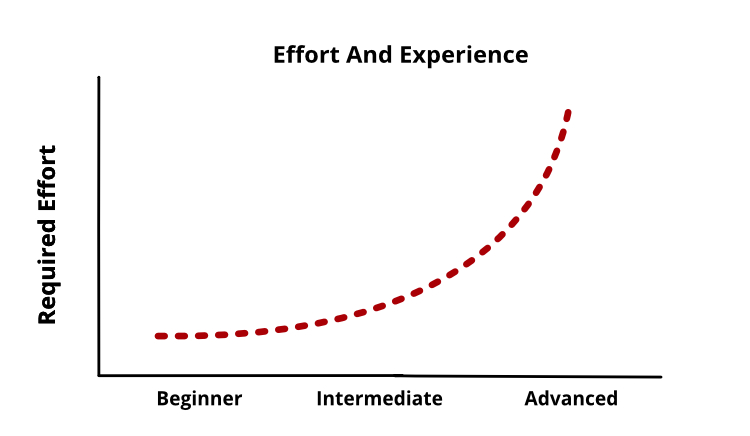
As you've probably seen with experienced people:
For every additional step of muscle growth, you will have to put in more effort.
Unfortunately, that's because you have a limit to what is naturally possible.
And I should point out:
The numbers above, assume that you are doing everything perfectly:
• Training.
• Resting.
• And eating.
So, effective meal plans are SUPER important.
Especially, if you want to gain muscle fast.
Keep reading.
Chapter 5:
The 10 Best Proteins & 1 Powerful Supplement
In this chapter I’m going to share a list of 10 nutrient packed proteins to boost the results of your training.
Including:
How much protein you will get per 100 grams.
What additional micronutrients you will get.
And what supplement about 50% of people need, ESPECIALLY when they start working out.
The 10 Best Protein Sources
According to the International Society of Sports Nutrition, protein is the MOST important macronutrient to build your body.
ALWAYS build your meals with a source of protein.
That way, your muscles are stimulated for:
recovery and construction.
And you will be able to better manage your appetite.
Here is list of the 10 best protein sources:
Beef Liver
100 gram contains = 29.1 grams of protein.
634% of the RDA for Vitamin A
1176% of the RDA for B12
And rich in minerals such as: zinc, copper & selenium.
Chicken liver
100 grams contains = 25.8 grams of protein
288% of the RDA for Vitamin A
352% of the RDA for B12
And rich in minerals such as: phosphorus, selenium and iron.
Sockeye salmon
100 grams = 21.9 grams of protein
130% of the RDA for Vitamin B12
43% of the RDA for selenium
And is probably on of the few sustainable sources of fish because they get caught at the end of their life cycle.
Cottage cheese
100 grams = 28.0 grams of protein
24% of the RDA for Vitamin B12
14% of the RDA for calcium
And rich in nutrients such as: selenium, folate and phosphorus.
Eggs
100 grams = 12.6 grams of protein
12% of the RDA for Vitamin A
19% of the RDA for B12
And rich in: selenium, phosphorus and folate.
Lentils
100 grams = 9.0 grams of protein
32% of the fibre RDA
45% of the folate RDA
And rich in: iron and manganese.
Oats
100 gram = 16.9 grams of protein
66% of the fibre RDA
383% of the RDA for manganese
Rich in minerals such as: magnesium and zinc.
Oxtail
100 grams = 8.0 grams of protein
Small amounts of trace minerals, but the major reason to consume oxtail is because it contains nutrients such as:
glutamine, glucosamine and collagen which aids in the reduction of inflammation and joint pain.
Oysters
100 grams = 9.4 grams of protein
267% of the RDA for Vitamin B12
111% of the RDA for zinc
110% of the RDA for selenium
And additional nutrients such as: copper, manganese, vitamin C and iron.
Protein Powder
100 grams of whey protein = 71.4 grams of protein
100 grams of hemp protein = 45 grams of protein
Depending on what kind of protein source you choose the amount of protein and how the protein is used in the body can be very different.
50% Of People Need This Supplement
A supplement isn't just a random pill that you throw into your body.
In fact, a supplement can have a HUGE effect on your performance.
Including your calisthenics workout.
With that in mind, your main goal should ALWAYS be to get your nutrition from real foods.
However, in some cases this is a tricky game.
For example, according to the Journal of Nutrients, about 50 percent of people are deficient in magnesium.
Because of a variety of reasons such as:
- increased stress
- and soil quality.
Even though magnesium can be important for:
- performance
- recovery and sleep
- mental health
Outside of your regular nutrition magnesium should be a priority.
How much should you take?
Supplement Explainer
400mg daily of 'chelated magnesium' (glycinate)
Option 1: 200mg after waking up and 200mg prior to sleeping
Option 2: 400mg prior to sleeping
Dosages might differ depending on your deficiency.
DO NOT take oxide or citrate.
These are the most commonly used cheap versions that are less effective.
The Nutrition System
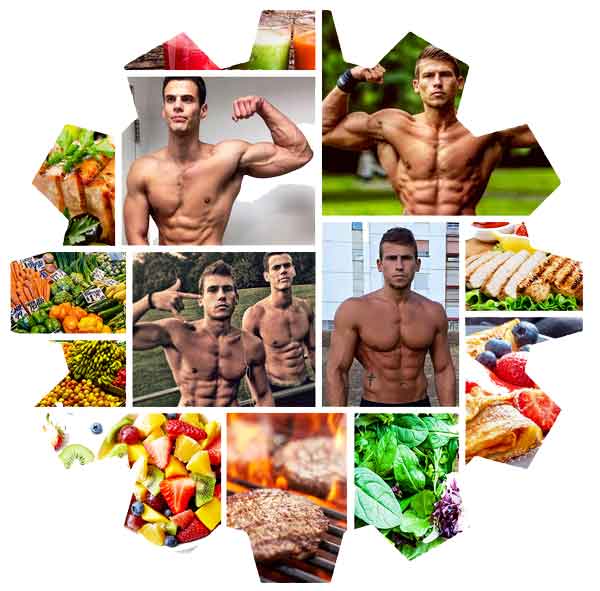
Whether it's your priority or not, if you want results you want to make sure your nutrition the BEST it can be.
(The best moment to start was yesterday.)
Remember:
The goals you have will only become reality if you change your diet environment and find support.
And once you've done that, you'll be unstoppable.
This is covered in the Nutrition System by the official Bar Brothers.
Chapter 6:
The Most Important Performance Enhancing Drink
SUPER athletes NEVER underestimate the basics.
They don't just focus on supplements, they focus on what is really important… and spend most of their time prioritising those things.
(Or as one wise man once told me: "You've never mastered the basics.")
And in this chapter you will discover the most important performance enhancing drink.
Check it out!
The Power Of Water
Here is a shocking fact:
Just a 2% loss of your body weight in water can ALREADY affect your performance.
Take a look at the 3 major risk factors below:
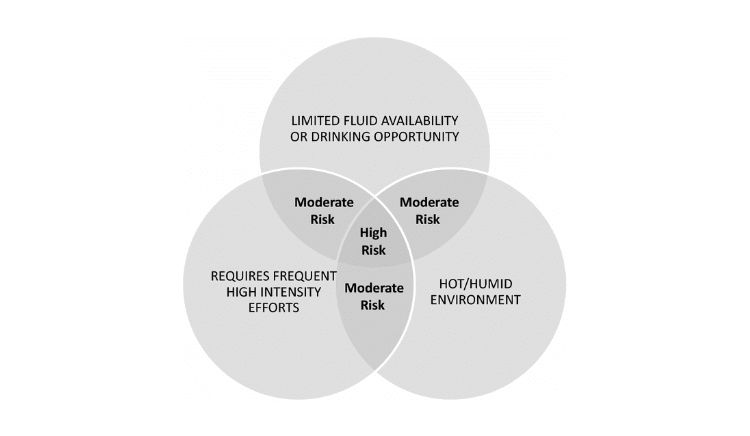
To make it more clear:
you need to prioritise your hydration if you train hard and are exposed to a hot/humid environment.
For example, if you weigh 70 kilograms.
2% is less than 2 liters.
And you can lose between 0.5-2.0 liters per hour.
Just look at how insignificant 2% is:
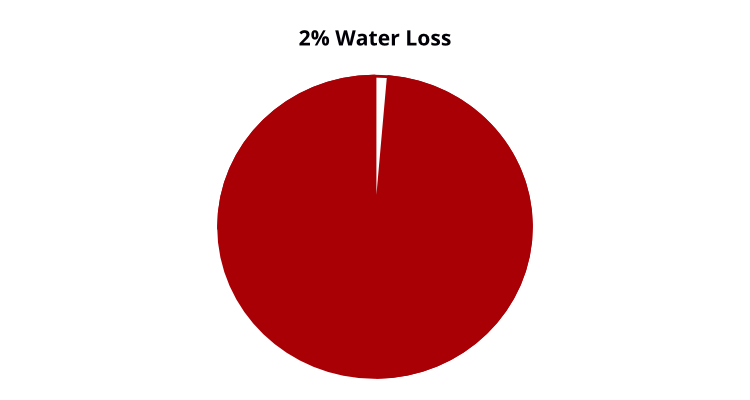
In other words:
You can become hypohydrated quickly.
Which is a fancy way of saying:
"Drinking too little water."
Even more interesting, according to the International Society of Sports Nutrition, water is the most important substance to increase your performance.
Here is why:
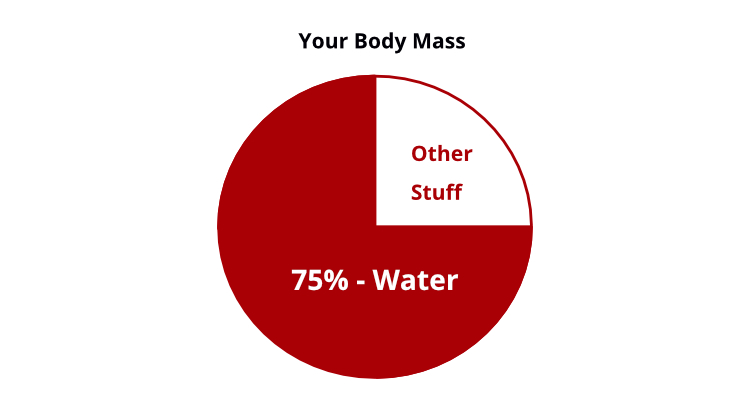
• 75% of your body is water.
• Every vital organ relies on water.
• Your muscles need water to function properly.
• Joints and tissues use water as a lubricant.
That's why you DON'T want to forget it!
How To Drink More Water?
Most people put zero effort into buying a good bottle for water.
And it's a big mistake.
Why?
Remember the importance of availability?
If it's not there you will not use it.
You will forget it.
With that, here is a simple habit to make sure you drink 0.5 to 2 liters of water during your training:
Key Takeaway
Get yourself a 1.5-2 liter metal bottle (avoid plastic completely).
Fill it with water and make sure it's empty at the end of your training.
Don't like the taste?
Instead of buying fancy water, just add some cucumber, lemon or sliced orange to your water.
It will taste just as good.
That way you SAVE money and stay hydrated.
Your Schedule
This is a general daily blueprint.
(Just so you have an idea.)
Check out the following schedule with an evening workout:
8:00- 12:00
First Meal:
Step 1 - Wake up (+ cold shower)
Step 2 - Drink 0.5-1 liters of water
Step 3 - Build a meal with 1 first of protein (see 10 protein sources).
Step 4 - Add 2 hands with fruits and/or veggies.
Step 5 - Drink coffee or tea to suppress your appetite.
Optionally start eating at 12 if you want to lose weight.
12:00 - 17:00
First/Second Meal:
Step 1 - Drink water if you feel thirst.
Step 2 - Build a meal with 1 first of protein (see 10 protein sources).
Step 3 - Add 2 hands with fruits and/or veggies.
Step 4 - Drink coffee or tea to suppress your appetite.
17:00 - 18:15
Pre Workout:
Step 1 - Drink water when you feel thirst.
Step 2 - Workout with on of the routines.
Post Workout:
Step 3 - Build a meal with 1 first of protein (see 10 protein sources).
Step 4 - Add 2 hands with veggies.
Step 5 - Add 1 fist of potatoes/rich
Step 6 - Drink tea and avoid coffee completely after 13:00.
20:00 -
Final Meal:
Step 1 - Drink water when you feel thirst.
Step 2 - Eat 1 more hand of fruit/veggies.
Step 3 - Supplement with magnesium (see dosages).
Step 4 - Go to bed when your bed timer goes off.
Step 5 - Repeat the next day.
Bottom line?
Use this plan and customise it.
The best plan is the one YOU can STICK to.
Chapter 8:
4 Effective Diet Tips For Calisthenics Beginners In 2021
Effective tips are always one way to SUPERCHARGE your results.
Here are 4 more tips to:
Build more muscle
Burn more fat
And transform yourself in less than 1 year.
Question is:
what are these tips?
Well, that’s exactly what I plan to cover in this chapter.
Supercharge Your Results
First, learn about the 3 fundamental rules for muscle growth.
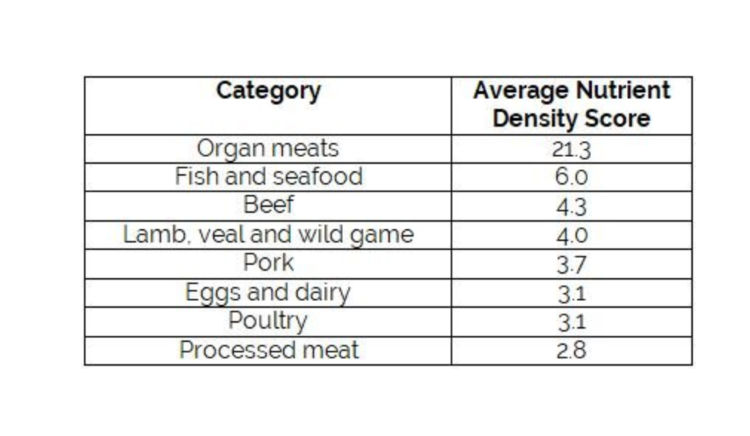
And dive deeper into the 30 most nutrient dense foods.
For example, this overview quickly shows you the score for animal-based protein sources:
If that gets you excited, find out how you can optimize your protein intake for 100% muscle construction.
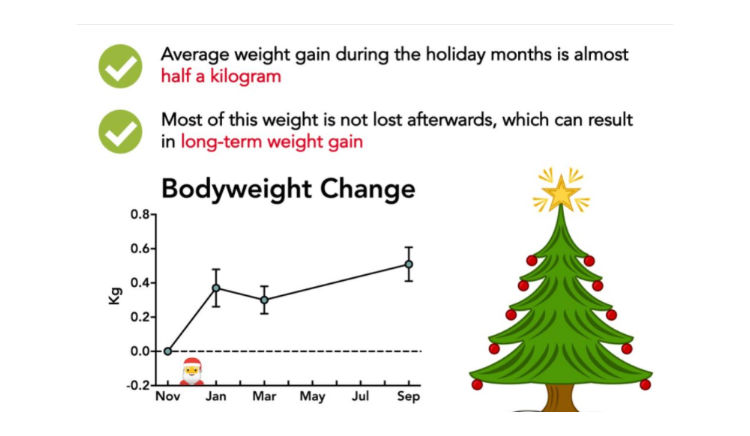
Then check the 9 magical tips to stay lean during the holidays.
Because most people gain weight during the holiday period:
That's it.
All the additional tips.
Pretty helpful to know, right?
The Calisthenics Diet For A Killer Body
Building the body of your dreams.
Losing fat.
Gaining muscle.
You need to know what works for you.
And everything can, IF you stick to the fundamentals:
Energy balance.
Diet environment.
And habits.
Unfortunately your environment is working against you.
The world is changing faster than your body can keep up with.
Cookies, chocolate bars or hamburgers are all around you.
But they will NOT get you the body of your dreams.
In other words:
It's not going to be a walk in the park.
But if you use these tips, you will transform:
What you eat. How much you eat. And why you eat.
FOREVER.
*Fist Bump*
Now I’d like to hear from you:
What calisthenics diet tips are you going to use today?
Or maybe you have a question.
Either way, leave a quick comment below right now.
i am 15 years old so my mother prepares me food :breakfast,lunch and dinner.she sometimes prepares rice ,vegetables and meat.Othertimes she prepares pasta and some other stuff beside.So in this way i am forced to eat.But i didn’t do so.I didn’t eat any lunch for three day.I also didn’t have my breakfast and dinner for two days as it was some bread,jam and some other stuff like that;stuff containing fats and sugar.So i’m forced not to eat the three of the meals.I am living only with fruits and nuts.My mother told me that my diet is wrong and that i have to eat everything she gives me because i’m already skinny(weighing 91 pounds at my age).In this way,i will die slowly.Nobody knows that i don’t eat my food.
Thank you for your reply again 🙂
I will begin fasting 2-3 days a week and look how my body will adapt to it, still eating same amount of calories each day whether fasting or not.
But my big question is, why is it, that I have to beware of any kind of hidden sugars and my protein shakes when I’m actually allowed to eat fruits? Because fruits in my opinion got sugars as well so I’m a bit confused here? 🙂
when I try to do intermittent fasting (16:8) i usually feel very weak, tried, big drop in Testosterone levels 🙁 but the moment I begin eating regularly like morning, noon and night it is like my body get all its power back? Is fasting just not for me or am I doing something wrong??
Once again thank you for your help already 🙂
Hi guys!
Im new here and I love the spirit! I started training hard and making my diet better!
Honestly I had a good diet routine even before, I went to a nutritionist and had my own Mediterranean diet… Despite it, I still can’t put the last 4% of fat away! So maybe this approach is the actual right one!
Though I was wondering… Since I’ve read a lot about nutrition… Many ideas are actually opposite one to each other… Like I always knew that breakfast is pretty important and all doctors say so…. As well as the eating many times (6 for example) during the day but few amount of food… This post makes sense but I have still some concerns about it, is it actualy healthy for the body?
Thanks a lot guys!
Hey bro,
Welcome to the movement first of all!
With regard to your concerns, I have been researching nutrition for years and to be honest there are contradictions everywhere!
First of all, let me point something out! There is NO one-size-fits-all. Everybody has a different body, metabolism etc. So what I am providing you with are general guidelines, no holy grail or no absolute truth. Let me ask you a question, do you think your doctor is well trained? If he is, he might have useful advice, if he isn’t take a look at people who are actually walking the talk first.
Do your own research and find out what works for you, never just believe something someone tells you, including me. Always question, which is what you are doing and more importantly, try it for yourself. First-hand experience is the best teacher.
So to come back to you question, there are contradictions everywhere, because nobody is the same, then again there is a lot of bullshit out there, because money is more important than the truth. I’ve been doing if for more than a year and I love it (sometimes hate it too), but I’m still alive ;). Find what is useful, discard what is not and add what is uniquely your own!
More practical:
1) Try it for a day or 2
2) Workout in a fastened state
3) Skip your breakfast every now and then and notice the effect
Beast mode ON!
is butter bad for me as a skinny guy
may you give me a sample for a diet
i just want to ask … i woke up at 6a.m do my workout upto 8a.m then have fruits,salads,nuts,.. according to IF we have to eat in a certain frame of time that is 8hours of eating and 16hours of fastng… so that means i have to eat before 4p.m.
Im new on this… anyway my main question is … Eating 2 or 3 meals on 8 hours basically let your body take a rest and withdraw on 16 hours.. But what about the other 8 hours? Its like i wake up the morning , doing my workout and than eating a big meal :”D around on 2 pm and the next meal is on 8 pm? can my body absorb all the meal in just 6 hours? And should i really workout before my 1st meal? Dont want to get bad right here just asking and hope somebody will reply 😀
Have a good day.
Hey Peter,
Welcome to the movement!
I understand your concern. What is really important, is that you consume your food in an 8 hour time windows. Don’t eat less, eat within a shorter time frame.
With regard to your other questions, go try it first and see what happens. These are general guidelines not absolute truths :). Your body is your best coach so try it out and see what your body tells you and how it’s functionality is influenced.
This should get you going!
Beast mode ON!
Those guys are totally bad.. Just asked something and they deleted my post… if its not bug they gotta be too bad and scared to reply
Hey bro,
Sorry for the late reply! I answered your comment! Check it out!
Beast mode ON!
Hello,
I read all this article and I think it pretty makes sense to me.
But I’m a office worker and I generally have to workout very early in the morning or late night after finishing my job. In this case, How can I adjust this 16-8 eating windows. In the morning, No fuel to do workout and also in the late night, I can even eat anything from this theory. Can I eating something after finishing my late workout?? It’s usually 11:00 PM or later. (Add, lunch time has already fixed at 12:00 by the company)
Hey,
Great question and this is kind of a tough one, since your lunch is on a fixed time. It would mean you’d have to either increase your eating window, which would mean you’d cancel the benefits of IF or you’d have to workout early and start eating from 12 till 8 pm. Or you eat from 12 till 8 and workout after. Those would be the most viable options. If this is not possible I’d recommend you shift your focus to what you eat as much as possible.
Do what you can with what you have.
Your situation shows that there isn’t a one size fits all. So try to be creative, I had an office job too which gave me the same issue, but I found a way to stick to the 8 hour window by training after dinner since this was the only option 4 out of 7 days. The other days I’d stick to the regular plan.
Find what works for you! Hope this helps!
Beast mode ON!
Hey bar bro’s just wanted to say i like the idea of your intermittent eating plan and want to give it a try as i am struggling to lose the desired amount of body fat. My problem is that snacking in between the two meals is my biggest downfall so i just wanted to know what types of nuts and seeds you reccomend or any other healthy snacks that i can chew on. Thanks
Hey bro,
Good question!
There are tons of nuts and seeds which are usually available at most stores such as: almonds, peanuts (watch out if you’re allergic), macadamias, sun flowe seeds etc.
There are usually bags with mixes nuts, which contain a few of these in grocery stores. Make sure they don’t have any extra coating (sugars or any other artificial flavor enhancers).
Beast mode ON!